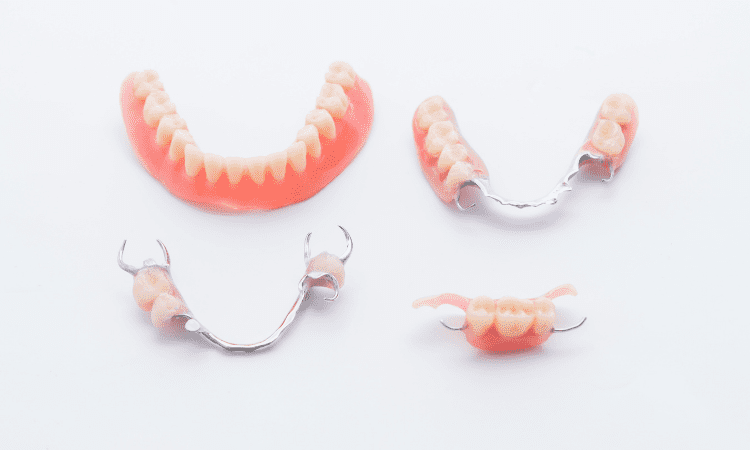
Understanding when you might need a partial denture is crucial for maintaining oral health. Partial dentures can restore your smile and improve your overall dental function. Many people view dentures in Philadelphia as a last resort, but that perception isn’t always accurate. A partial denture can offer a practical solution in many situations. They provide both functional and aesthetic benefits. Knowing when you need one can help you make informed decisions about your dental care.
When Teeth Are Missing
Missing teeth can lead to several complications. They affect your ability to chew food properly. Over time, this can lead to nutritional deficiencies. Missing teeth can also affect your speech, making it difficult to pronounce certain sounds. Partial dentures could fill these gaps effectively. They often provide the support needed where natural teeth are missing. This support is crucial for maintaining facial structure. Without it, your facial muscles can sag, making you look older. Partial dentures could also prevent the remaining teeth from shifting out of place. This shifting can cause misalignment and other dental issues.
When Dental Implants Are Not an Option
Dental implants are a popular choice for replacing missing teeth. However, they may not be feasible for everyone. Some people lack sufficient jawbone density to support implants. Others may face financial constraints that make implants unaffordable. In such cases, partial dentures offer a viable alternative. They are less invasive than dental implants because they require no surgery. This makes them an attractive option for those who cannot undergo surgical procedures. Partial dentures are also more cost-effective. This affordability makes them accessible to more people.
During the Transition to Full Dentures
Some individuals eventually require full dentures. The transition from natural teeth to full dentures can be challenging. Partial dentures can serve as an intermediate step. They help patients adjust to the feeling of having dentures in their mouth. This adjustment period is crucial for long-term comfort. Partial dentures also allow the mouth to heal and adapt gradually. This gradual approach can make the transition to full dentures smoother and less stressful.
For Improved Oral Health
Partial dentures can significantly improve oral health. They often make cleaning your teeth easier by filling gaps where food particles might otherwise accumulate. This reduces the risk of gum disease, which can lead to more severe health issues. By filling these gaps, partial dentures help keep your mouth cleaner. This makes maintaining oral hygiene simpler and more effective. A clean mouth is less likely to develop cavities and other dental problems.
When You Experience Jaw Pain
Missing teeth can lead to jaw pain and discomfort. This happens because missing teeth create uneven pressure distribution in the mouth. Partial dentures could alleviate this pain by distributing pressure evenly across the jaw. This even distribution reduces strain on the jaw muscles and joints. Over time, this can significantly reduce pain and discomfort. Addressing jaw pain is crucial for maintaining overall oral health and comfort.
Consulting a Professional
If you have missing teeth, consult a dental professional. They can assess your specific needs and recommend the best solution. Partial dentures offer numerous benefits, including improved function and aesthetics. A dental professional can guide you through getting partial dentures. They can also provide valuable advice on care and maintenance. Proper care is essential for the longevity and effectiveness of your dentures.
Consider your options carefully when dealing with missing teeth. Partial dentures offer a versatile solution for a wide range of dental issues. They aren’t just for the elderly; people of all ages can benefit. By restoring function and aesthetics, partial dentures can significantly enhance your quality of life. If you have missing teeth, contact Dr. David J. Weinstock to see if a partial denture is right for you. Call (215) 857-8054 or request an appointment online.