
Deciding what to do about your smile can feel overwhelming, especially when you’re replacing a missing tooth. You want something that looks natural, feels comfortable, and lasts. For most people, the choice comes down to two reliable options: a traditional dental bridge or dental implants in Philadelphia.
It’s not a one-size-fits-all answer. The right choice depends on your oral health, your goals, and what you want long term. As a Philadelphia area dental office with advanced training in both periodontics and prosthodontics, we’ve helped countless patients weigh this exact decision. Let’s walk through the differences together so you can feel confident about your next step.
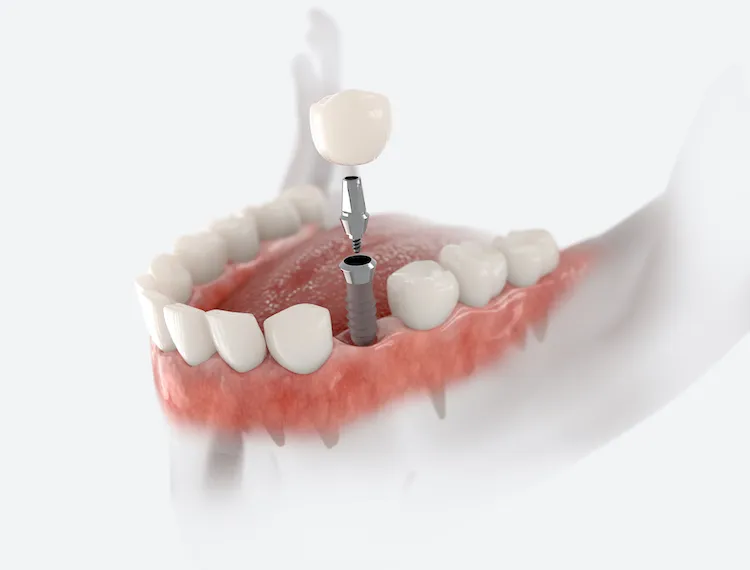
The Basics: How They Work
A dental bridge does exactly what it sounds like; it “bridges” the gap where a tooth used to be. A typical bridge uses the two teeth next to the empty space as anchors. Those anchor teeth are shaped to hold crowns, and a replacement tooth (or teeth) is attached in the middle. The whole piece is cemented into place.
A dental implant, on the other hand, stands on its own. A small titanium post is gently placed into your jawbone, where it fuses with the bone over time. This post acts like a new tooth root. Once it’s healed, we attach a custom crown. The result is a replacement tooth that’s independent of your neighboring teeth.
What to Consider When Choosing
There’s no right or wrong answer here, only what’s right for you. Here are the main factors patients think about when we sit down to talk.
Long-Term Oral Health
Because an implant replaces both the tooth and the root, it does something a bridge can’t: it stimulates your jawbone. When a tooth goes missing, the bone in that spot can slowly shrink from disuse. An implant prevents that by acting like a natural root, keeping your bone healthy and strong.
A bridge doesn’t address the bone directly. It also requires altering the two healthy teeth next to the gap. Those teeth will always need crowns, which is an important consideration for the future.
Lifespan and Durability
Both options can last for many years, but implants have a standout track record. With good care and regular checkups, an implant could last a lifetime. Bridges typically last 10 to 15 years before they may need replacement or recementing.
Time and Treatment
This is often where patients feel the biggest difference. A bridge can usually be completed in a couple of weeks. An implant takes more time, several months in some cases, because the bone needs to heal and grow around the post before the final crown can be placed. Good things take time, and that time often pays off in the long run.
Cost Considerations
Up front, an implant usually costs more than a bridge. But over the long term, an implant’s durability can make it more cost-effective over your lifetime since it likely won’t need to be replaced.
Making the Choice That’s Right for You
The best decision comes from a conversation about your teeth, your health, your habits, and what you want for your smile. Some people prefer the faster timeline of a bridge. Others love that an implant feels and functions just like a natural tooth.
If you’re in the Philadelphia or Bala Cynwyd area and wondering which path is right for you, we’d be happy to sit down and talk it through. No pressure, just honest guidance from someone who’s been caring for smiles like yours for over 25 years.
Ready to explore your options? Contact your dentist in Bala Cynwyd at (215) 857-8054 or request an appointment online. We’ll take it one step at a time, together.