If you are considering dental implants in Philadelphia, you probably have questions. What are the risks? How often do they succeed? What happens if something goes wrong?
These are exactly the right questions to ask. Dental implants are a major investment in your health and your smile. You deserve clear, honest answers before you decide.
In Bala Cynwyd and the greater Philadelphia area, patients trust Dr. David J. Weinstock for exactly this kind of transparency. As a board-certified prosthodontist with dual training in periodontics and prosthodontics, he can explain risks and success rates in plain language. No jargon. No pressure. Just the information you need to make a confident choice.
We are located at 15 Presidential Blvd STE 201, Bala Cynwyd, PA 19004. Call (215) 857-8054 to schedule a consultation.
What Are the Success Rates for Dental Implants?
The short answer is that dental implants have a very high success rate. Most studies show success rates of around 95 percent to 98 percent. This makes them one of the most predictable and reliable procedures in modern dentistry.
A study on pterygoid implants found a cumulative survival rate of nearly 95 percent over a follow-up period of almost three years. Another analysis of posterior screw-retained implant prostheses observed a 100 percent implant survival rate over five years. These numbers are impressive. They reflect decades of research and refinement in implant materials, surgical techniques, and treatment planning.
But here is an important detail. Success rates aren’t the same for every patient. They depend on several factors, including your overall health, oral hygiene, jawbone quality, and your dentist’s skill.
A Cambridge University Hospitals patient information leaflet notes that implants have an 80 to 95 percent success rate over 15 years in patients with healthy mouths. However, that rate drops to 80 to 85 percent over seven years for patients with gum disease. Smokers also have a much higher failure rate and are often expected to stop smoking for at least six months before starting implant treatment.
When you work with a highly trained prosthodontist like Dr. Weinstock, your chances of success increase significantly. He has over 35 years of experience and completed three additional years of advanced training beyond dental school. His patients consistently rate their satisfaction highly, with a 4.9-star rating based on 140 reviews.
What Are the Risks and Potential Complications?
No surgical procedure is without risk. Dental implants are no exception. The key is understanding what can go wrong and knowing that an experienced dentist in Bala Cynwyd like Dr. Weinstock takes steps to minimize those risks.
Infection
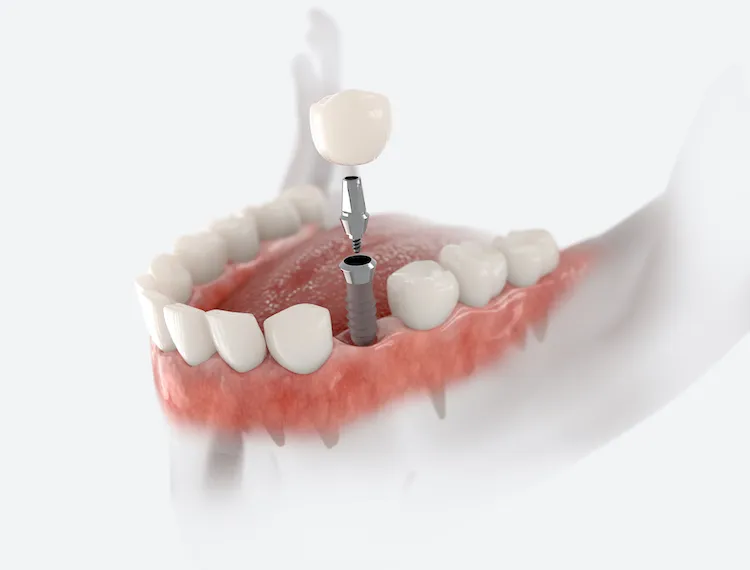
Infection is a risk with any surgery. After implant placement, bacteria can enter the surgical site and cause an infection around the implant. This is called peri-implantitis. It can lead to inflammation, bone loss, and eventually implant failure if left untreated.
Dr. Weinstock uses strict sterilization protocols and may prescribe antibiotics to reduce this risk. He also provides detailed aftercare instructions to help you keep the area clean while it heals.
Implant Failure
Sometimes an implant fails to fuse with the jawbone. This is called failed osseointegration. It usually happens within the first four to five months after placement. If this occurs, the implant may feel loose or painful and will need to be removed.
The good news is that when this happens, it can often be replaced after a healing period. An experienced prosthodontist like Dr. Weinstock can evaluate the situation and plan a successful replacement.
Nerve Damage
The nerves in your jaw control sensation in your lips, chin, and gums. If an implant is placed too close to a nerve, it can cause numbness, tingling, or pain. This is a rare complication, but it can happen. Dr. Weinstock uses advanced 3D imaging to map your jawbone and plan the precise placement of each implant, avoiding these critical structures.
Sinus Problems
Implants placed in the upper jaw are located near the sinus cavities. If an implant is placed too far into the sinus, it can cause sinus pain, pressure, or infection. This is another reason careful planning with 3D imaging matters.
Mechanical Complications
The prosthetic components of your implant, such as the crown or abutment, can loosen or break over time. This is especially common in patients who grind their teeth. Mechanical complications like screw loosening are the most frequently reported issues in implant studies. Regular checkups allow Dr. Weinstock to monitor your implant and tighten or replace components before they cause bigger problems.
Aesthetic Complications
In some cases, the implant may not look completely natural. This can happen if the gum tissue recedes or if the implant is placed at the wrong angle. You can correct aesthetic issues with additional procedures or restorative adjustments.
Factors That Increase Risk
Certain factors can increase your risk of implant complications. Knowing them can help you and Dr. Weinstock plan a treatment that works for you.
- Smoking: Smoking reduces blood flow to the jawbone, which impairs healing and increases the risk of implant failure. Many dentists recommend quitting at least six months before implant surgery.
- Gum Disease: Treat active gum disease before placing implants. The infection can compromise the bone that supports the implant and lead to failure.
- Inadequate Bone Density: Your jawbone needs to be strong enough to support an implant. If you have bone loss, you may need a bone graft before getting implants.
- Diabetes: Uncontrolled diabetes can slow healing and increase infection risk. Patients with diabetes need to have their condition well-managed before implant surgery.
- Teeth Grinding: Grinding your teeth puts excessive force on implants, which can lead to mechanical failure. A night guard can help protect your implants if you grind.
How Dr. Weinstock Minimizes Your Risk
Choosing the right dentist is one of the most important decisions you will make. A skilled, experienced provider can significantly reduce your risk of complications and improve your chances of a successful outcome.
Dr. Weinstock is a board-certified prosthodontist. This means he completed dental school and three additional years of advanced training in restoring and replacing teeth. He also has specialized training in periodontics, which means he understands your gum and bone health. This dual expertise allows him to manage every phase of your implant care under one roof.
He uses advanced 3D imaging and digital planning to map your jawbone and plan the precise placement of each implant. This level of precision reduces the risk of nerve damage, sinus problems, and poor positioning. As a Clinical Professor at the University of Pennsylvania School of Dental Medicine, he stays at the cutting edge of the latest techniques and technologies.
His patients consistently praise his clear explanations and compassionate care. One patient wrote, “He takes the time to get to know his patients and to help them understand their treatment options.” Another said, “My implant looks amazing (perfectly matches my other teeth) and the process never surpassed a 2 on the pain scale.”
Learn more about dental implants:
Schedule Your Implant Consultation Today
You deserve a dentist who will give you straight answers about the risks and success rates of dental implants. In Bala Cynwyd and the greater Philadelphia area, Dr. David J. Weinstock is that dentist. He will listen to your concerns, explain your options clearly, and help you make a decision that is right for your health and your smile.
Call us at (215) 857-8054 or request an appointment online. We look forward to welcoming you to our office.